To visit Srinagar and not see Dal Lake is a contradiction. It is the face of Kashmir—the image on every postcard, the backdrop of every Bollywood song. But because of its fame, it is often misunderstood.
Many tourists treat Dal Lake as a scenic photo-op. They stand on the Boulevard, take a selfie with the Shikaras, and move on.
But Dal Lake is not just a water body; it is a civilization. It is a floating city with its own streets, shops, farmers, and rhythm. To truly know Srinagar, you must leave the crowded banks and drift into the silence of its interior.
Here is how to experience Dal Lake like a local, not a tourist.
🌅 The Morning Ritual: The Floating Vegetable Market
If you do only one thing in Srinagar, let it be this.
- The Experience: You must wake up at 4:00 AM. It’s painful, yes, but necessary. Hire a Shikara to take you to the “Gudud” (the floating market).
- The Spectacle: As the mist lifts off the water, dozens of boats gather in the center of the lake. There is no money exchanged here—it is often a barter system. Farmers trade fresh Nadru (lotus stems), turnips, and spinach.
- The Vibe: It is chaotic, loud, and incredibly colorful. By 6:30 AM, it vanishes like a dream. This is a photographer’s holy grail.
🛶 The Shikara Ride: How to Do It Right
Most tourists get taken for a “short loop” near the Boulevard, where they are hassled by floating vendors selling saffron and jewelry. Avoid this. Instead, tell your Shikara walah you want the “Backwater Tour.”
- The Route: Ask to go towards the Rainawari and Sada Kadal side. Here, the lake narrows into canals reminiscent of Venice. You will see old wooden bridges, children going to school on boats, and electric wires skimming the water.
- The Floating Gardens: You will pass the Rad—artificial islands made of weed and mud where locals grow vegetables. It is an engineering marvel unique to Kashmir.
- Char Chinar: Ask to stop at the island with the four Chinar trees. It’s the perfect spot to stretch your legs in the middle of the lake.
🏠 The Houseboat Experience: A Dying Art
Staying in a houseboat is romantic, but it requires careful selection.
- The Decor: These are not just hotels; they are floating museums. Look for the intricate Khatamband (geometric wood ceiling) and walnut wood carving.
- The Tiers:
- Front Row (Boulevard): Great views, but noisy and crowded.
- Golden Lake / Nigeen Side: Quieter, more serene, and better for couples.
- Pro Tip: If you are prone to motion sickness, don’t worry. These boats are massive and anchored; they don’t rock like ocean liners.
🍽️ Food on the Water
Dal Lake has its own culinary culture.
- Nader Monje: Look for the floating frying boats. They sell lotus stems dipped in batter and deep-fried. Served with spicy walnut chutney, this is the ultimate Dal Lake snack.
- Floating Cafes: In recent years, modern floating cafes (like Winterfell or others near the Kabootar Khana) have opened up. Sipping a cappuccino while floating in the middle of the lake is a surreal modern twist.
🕌 The Spiritual View: Hazratbal & Hari Parbat
- Hazratbal Shrine: From the northern end of the lake, the white marble dome of Hazratbal reflects perfectly in the water. It is the most sacred shrine in Kashmir, housing a relic of the Prophet.
- Hari Parbat Fort: The hill fort watches over the lake. At sunset, the fort turns golden, and the lake turns a deep purple. This is the “Golden Hour” you see in paintings.
🎒 Practical Guide: Logistics (2025-26 Edition)
1. The Scams (and how to avoid them)
- The Saffron Sellers: You will be approached by boats selling “pure saffron” and “shilajit.” Politely decline. Buy your saffron from a reputed shop on dry land (like in Pampore).
- The “Free” Ride: A guide might offer a “free” boat ride to a handicraft showroom. Nothing is free. You will be pressured to buy carpets.
2. Shikara Rates
- The government fixes rates (usually displayed on a board at the Ghats), but bargaining is standard.
- Standard Rate: Approx ₹800 – ₹1500 per hour depending on the season and boat luxury.
- Full Tour: A 3-hour backwater tour should cost between ₹2500 – ₹3500.
3. Best Time for Photography
- Dawn (5:00 AM): For the market and mist.
- Dusk (6:30 PM): For the reflection of the lights and the fort.
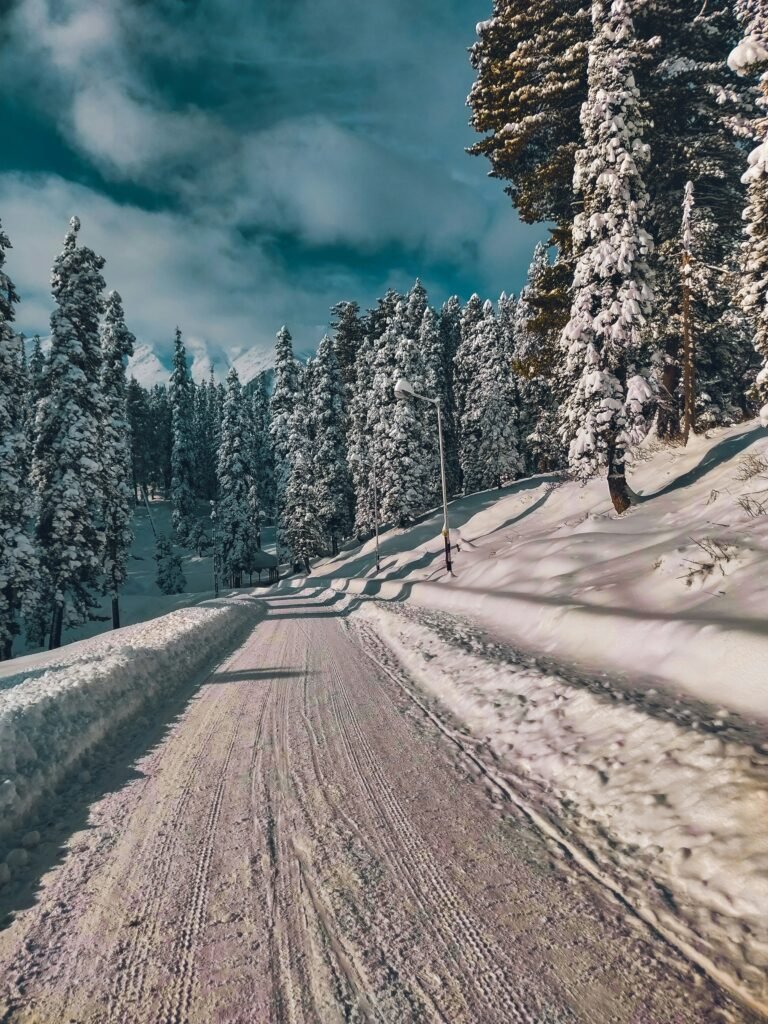
- Winter: Sometimes, parts of the lake freeze. Walking on the frozen lake is strictly prohibited (and dangerous), but the sight of the Shikaras breaking the thin ice is unforgettable.
The “Ladakh and Kashmir Express” Recommendation
Don’t just look at the lake. Listen to it. Take a Shikara at 9:00 PM, when the traffic has died down. Ask the rower to stop in the middle of the dark water. Look up at the stars and the lights of the houseboats reflecting like fireflies. The silence is heavy, ancient, and beautiful.
Experience the Magic. Book your premium Houseboat stay and trusted Shikara tours with Ladakh and Kashmir Express.